


Sport Court Benches & Courtside Shade Structures
Courtside seating is usually the last line on a court build and the first thing to look tired. Luxe Pergola fabricates an engineered alternative: all-aluminum sport court benches and courtside shade structures, built to order in Jupiter, Florida, with sealed engineering for the wind zone they are shipping to. No fabric, no rust, no re-canvasing line item three seasons later.
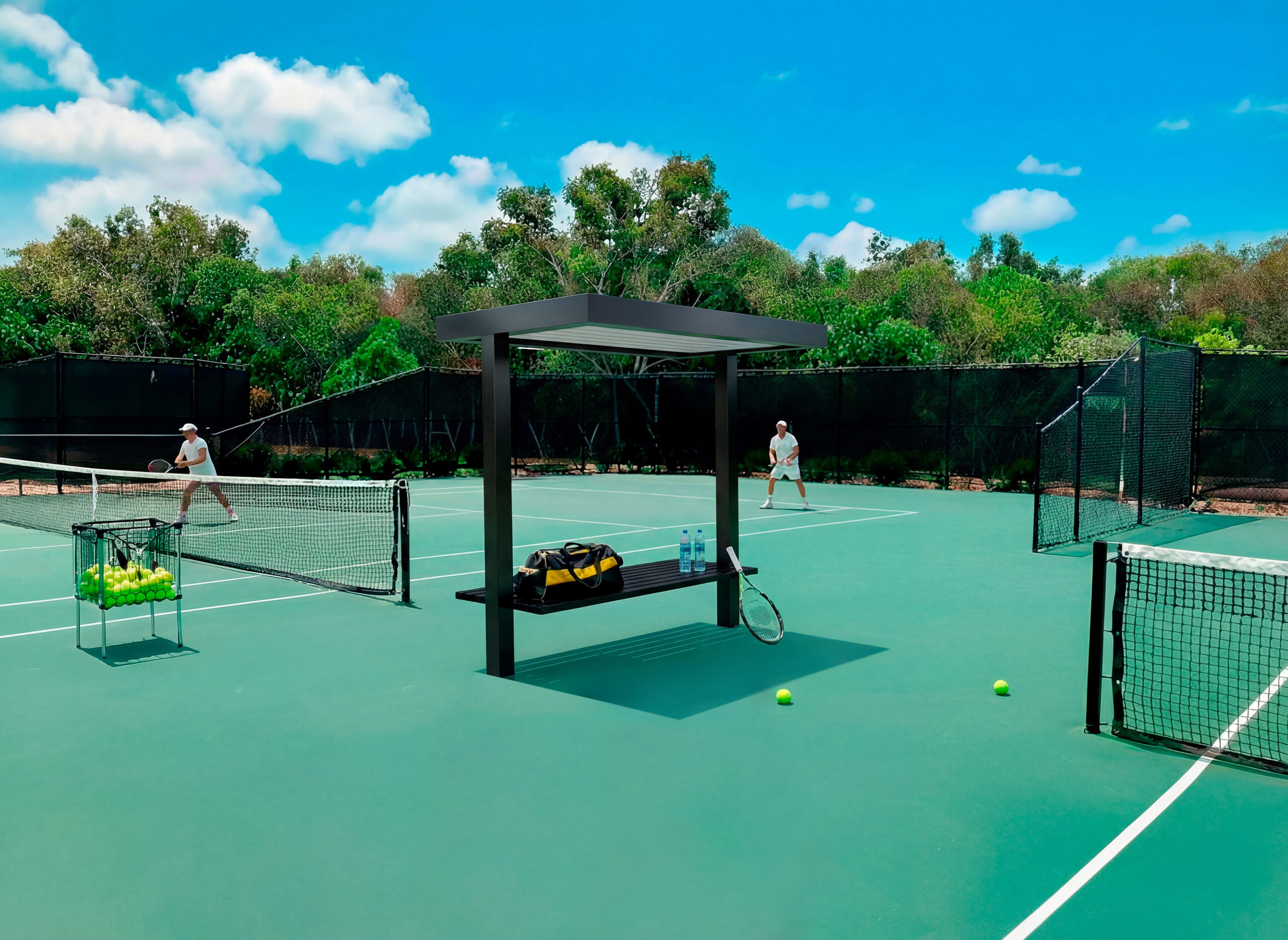
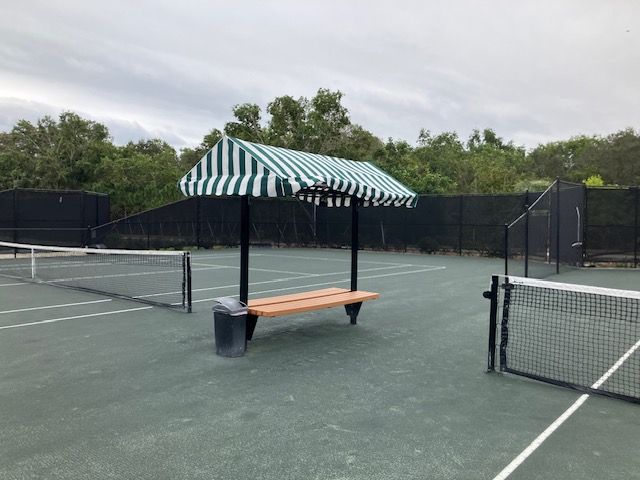
The courtside bench has not changed in fifty years
Walk any club and you will find the same two answers. A canvas or polyester canopy bench, or a bare aluminum plank. Both are specified because they are what the catalogue offers, not because anyone chose them.
Fabric is the expensive one, and the cost arrives later. Standard budget polyester typically gives one to two seasons outdoors before it fades, stretches, rips at the grommets or mildews in humidity. Then the club is quoted for re-canvasing, and quoted again after that. It is a subscription dressed as a purchase, and it is the line item facility managers complain about most.
A bare plank has the opposite problem. It lasts, and it looks like nothing anyone designed. On a facility where the courts themselves were specified carefully, the seating beside them is the detail that undoes the impression.
The TB Series: three models, one platform
Every model shares the same structural system, the same hardware and the same finish program. What changes is the footprint and the roof.

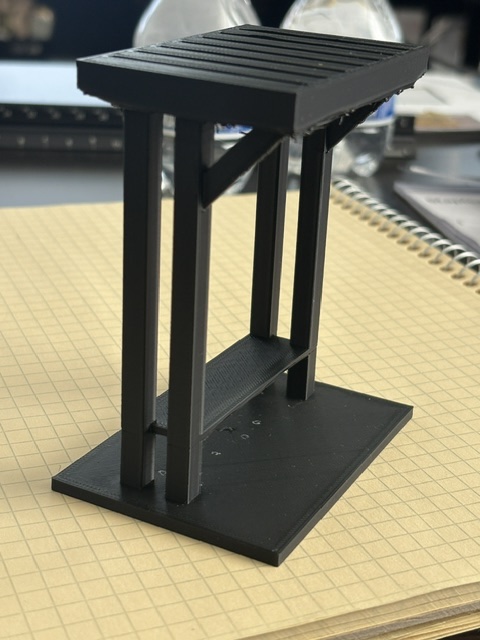
TB.1 Tennis Bench — single-sided
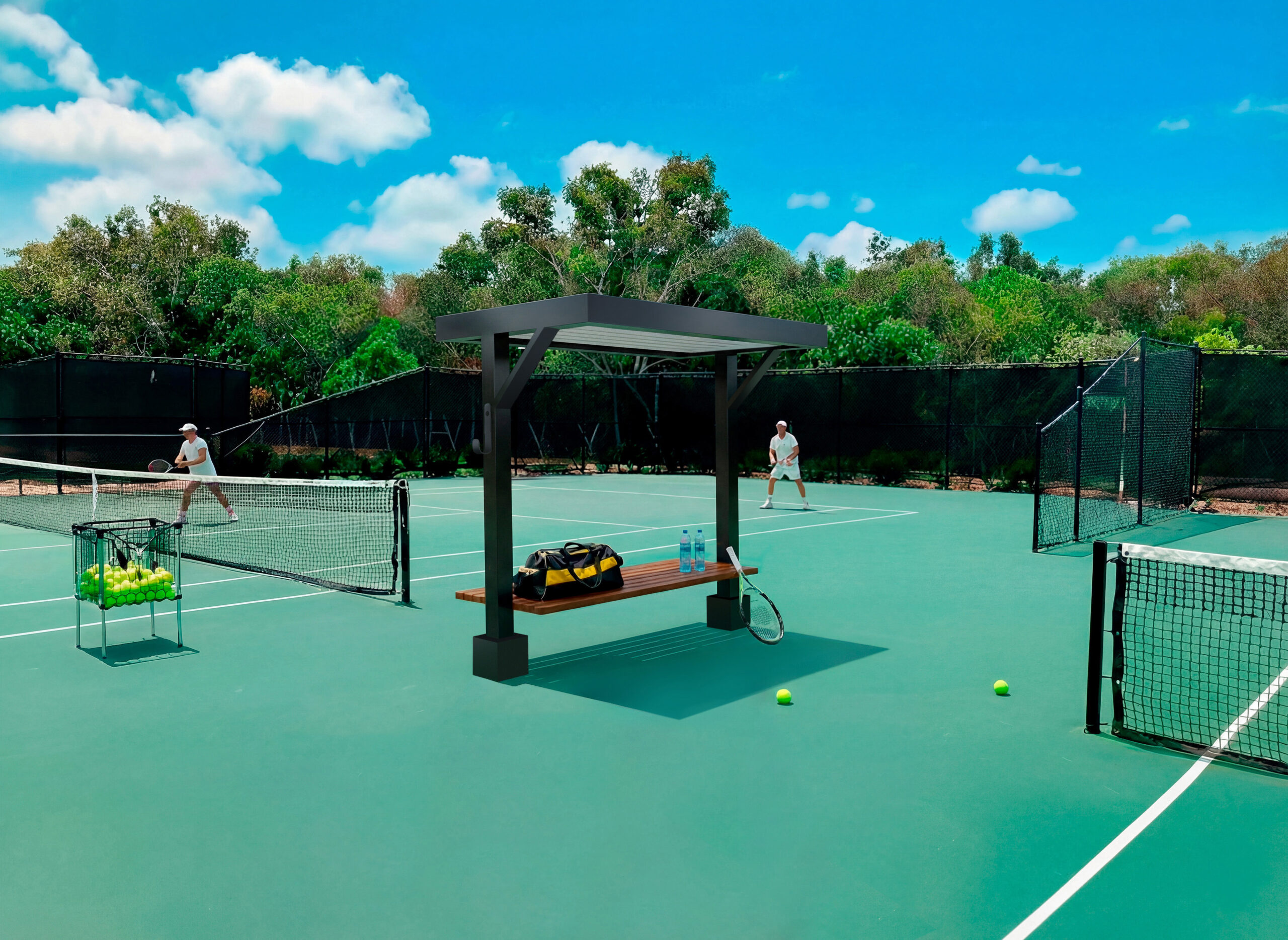
6 feet wide by 4 feet deep by 8 feet high, with a fixed-louver roof and a composite slat seat on bolted cleats. The courtside standard, and the right answer for tennis, padel and pickleball where the bench serves one court.
TB.2F Tequesta Flat — double-sided
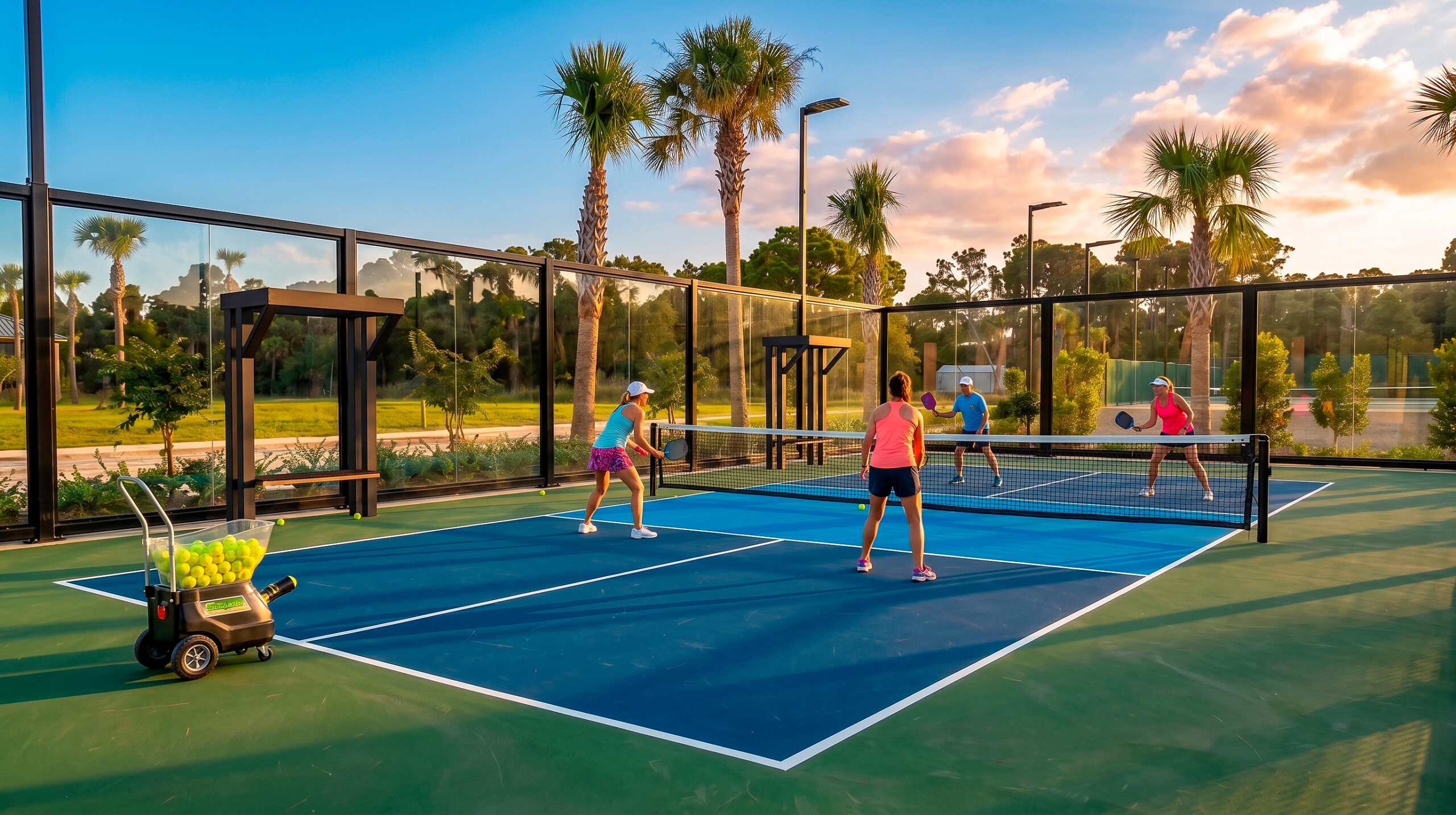
6 feet wide by 8 feet deep by 8 feet high, serving two courts at once from a single structure. A continuous sit, shelf and sit deck runs through it, so players on either side get seating and a place to put a bag down. Built for the lines between courts, where a single-sided bench wastes half the footprint.
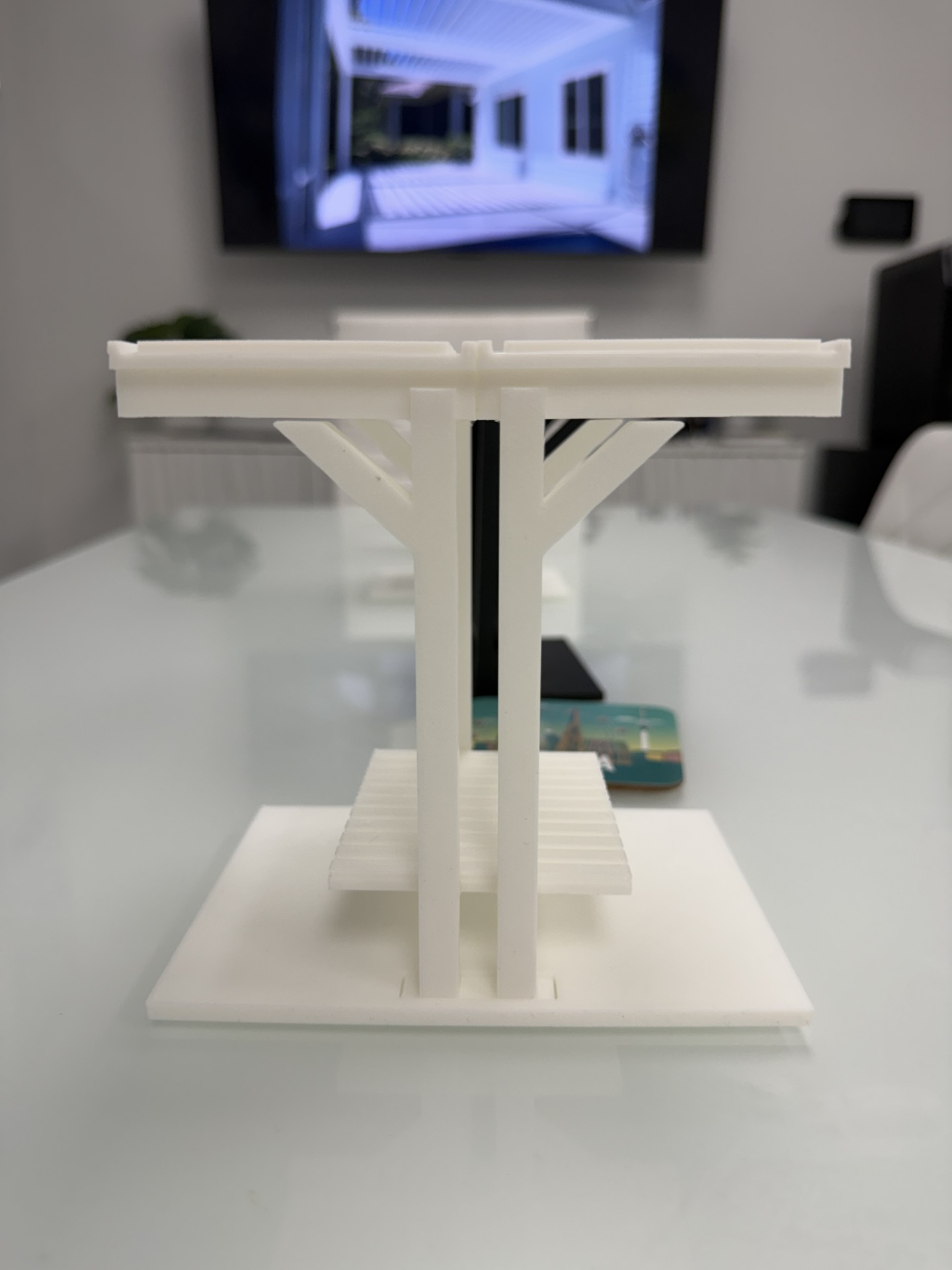
TB.2B Tequesta Butterfly — flagship
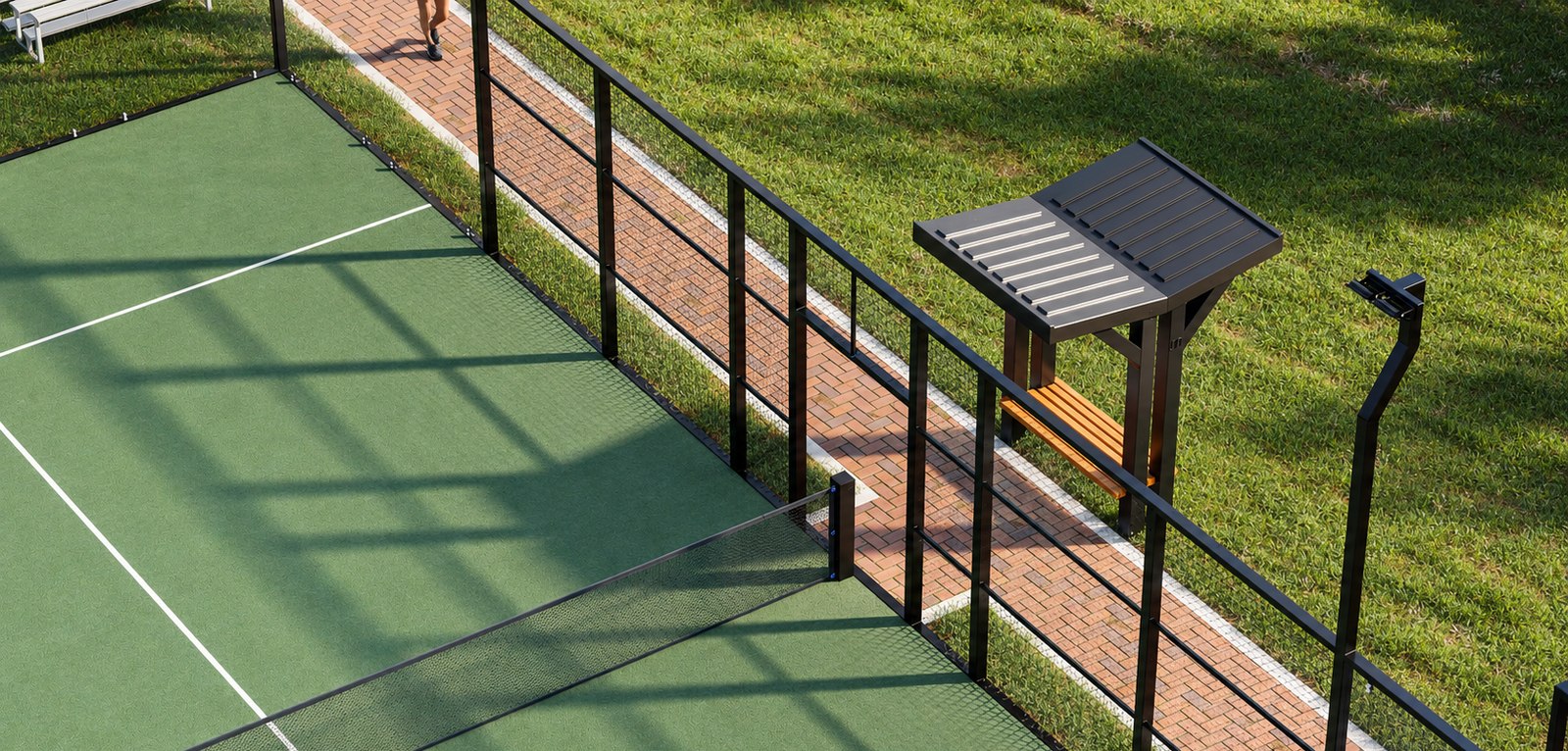
The same double-sided footprint under a butterfly roof. The valley drains through a concealed gutter inside the posts, so neither court takes a drip line off the edge of the structure. It is the architectural option, and the one that reads as part of the facility rather than equipment parked beside it.
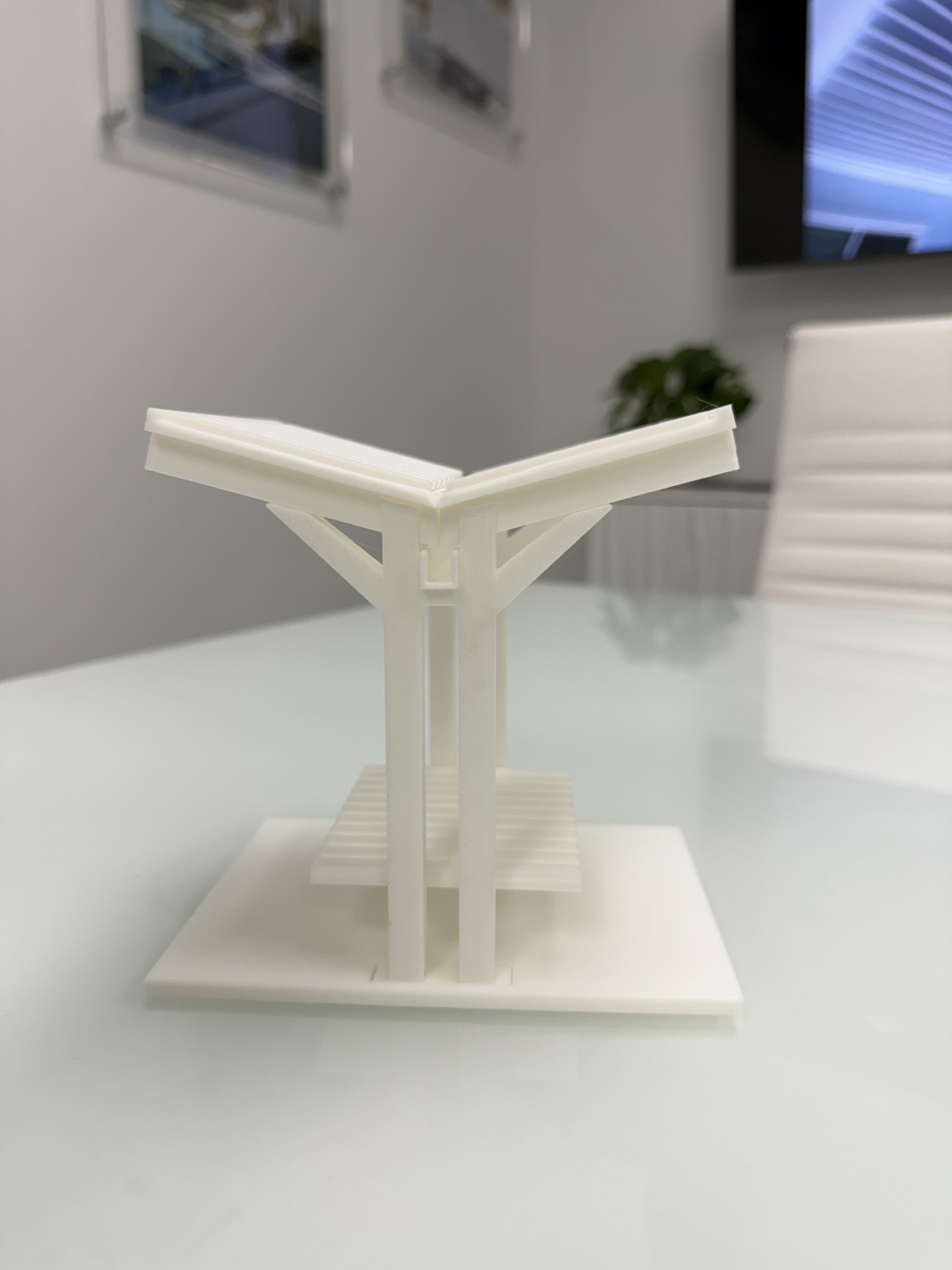
A note on the roof, because it matters when you are writing a spec: a fixed-louver roof sheds sun and the great majority of rain, and the butterfly roof manages where that water goes. It is not a sealed assembly and we do not present it as one. If a project needs a genuinely dry enclosure, say so early and we will specify something that is.
Built to be specified
Most courtside seating cannot be put in a drawing set, because there is nothing to put there. These can. Every model has a full shop-drawing package, and engineering is sealed by an engineer of record for the destination, not supplied as a generic certificate.
- Structure — 6063-T6 aluminum, 6×6 posts and 2×8 beams
- Hardware — 304 stainless throughout, specified for aluminum-to-aluminum connections, with acorn cap nuts on finished faces
- Coating — AAMA 2604 high-performance powder coat
- Seating — composite slats on bolted cleats, in wood-look or color
- Engineering — EOR-sealed per destination ZIP, to the governing wind code for the site
- Anchorage — embedded or surface-mount, with a footing schedule per wind zone
- Documentation — plans, elevations, connection details and anchorage options, per model
Two details worth knowing before you draw it. Frames extend to 10 feet to sit flush with court-enclosure framing rather than stopping awkwardly below it. And every model can be engineered as a host attachment to the court or fence structure instead of free-standing — which usually improves the numbers, because the host carries wind load and the anchorage simplifies accordingly.
Specifying one of these? Send the court count and a ZIP code and we will come back with model drawings, finish options and the engineering path for that site.
The options program
Specified up front and fitted during fabrication, not retrofitted on site.
Glass and alternative roofs
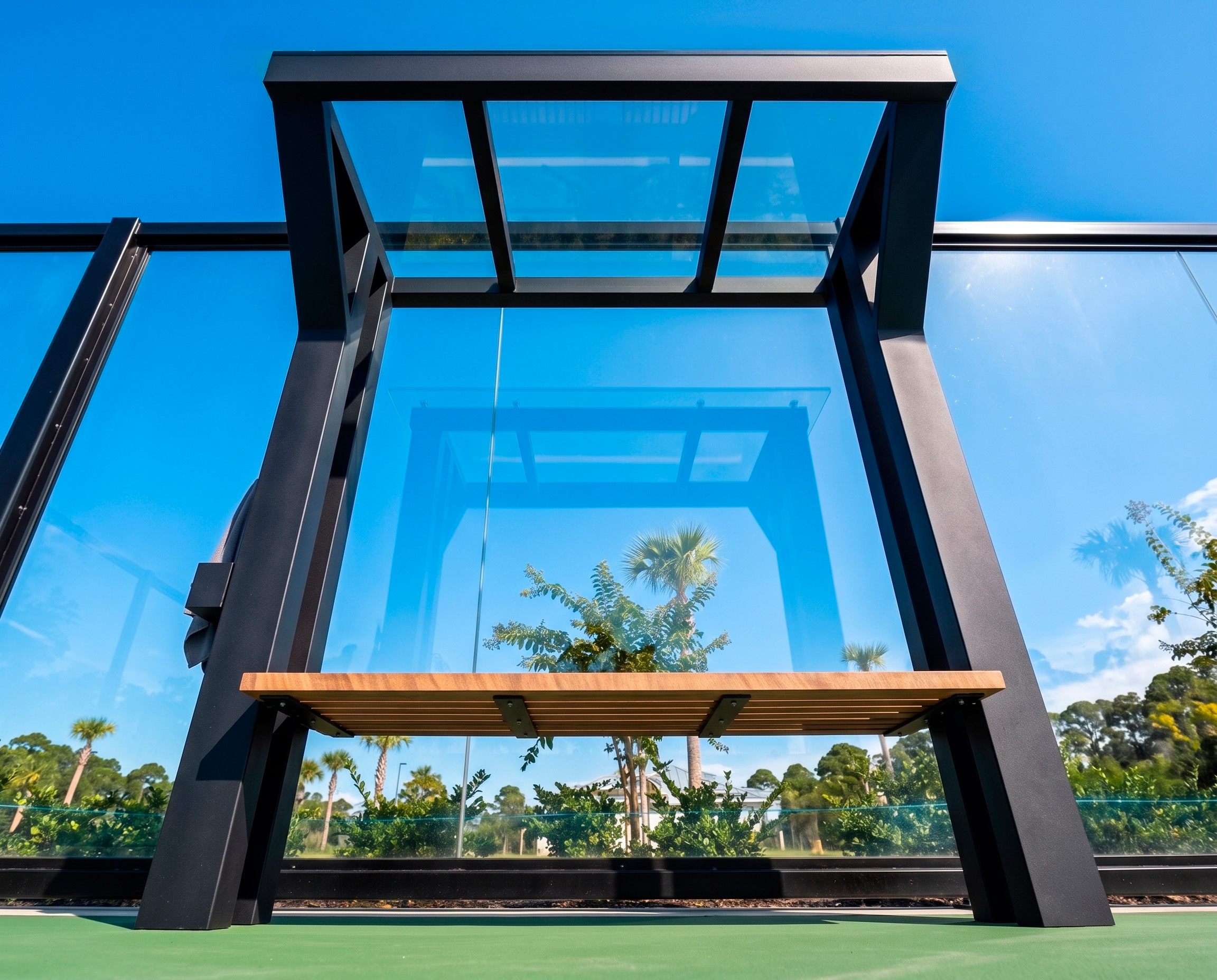
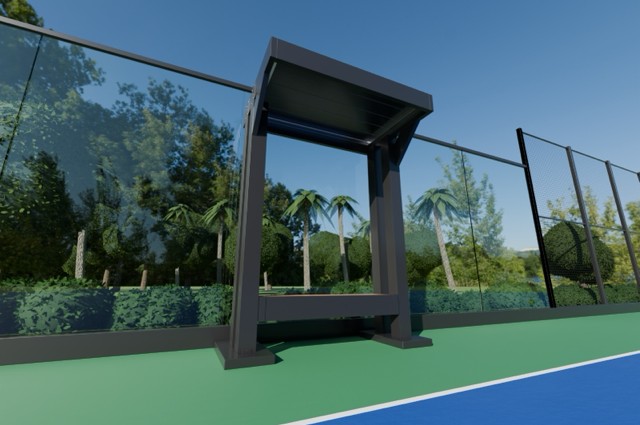
A tempered glass roof puts light through while keeping weather off, which suits facilities where the courts themselves are glass-walled. Polycarbonate, flat fixed-louver, butterfly valley and gable with knee braces are all available.
Towel rails and gear hooks
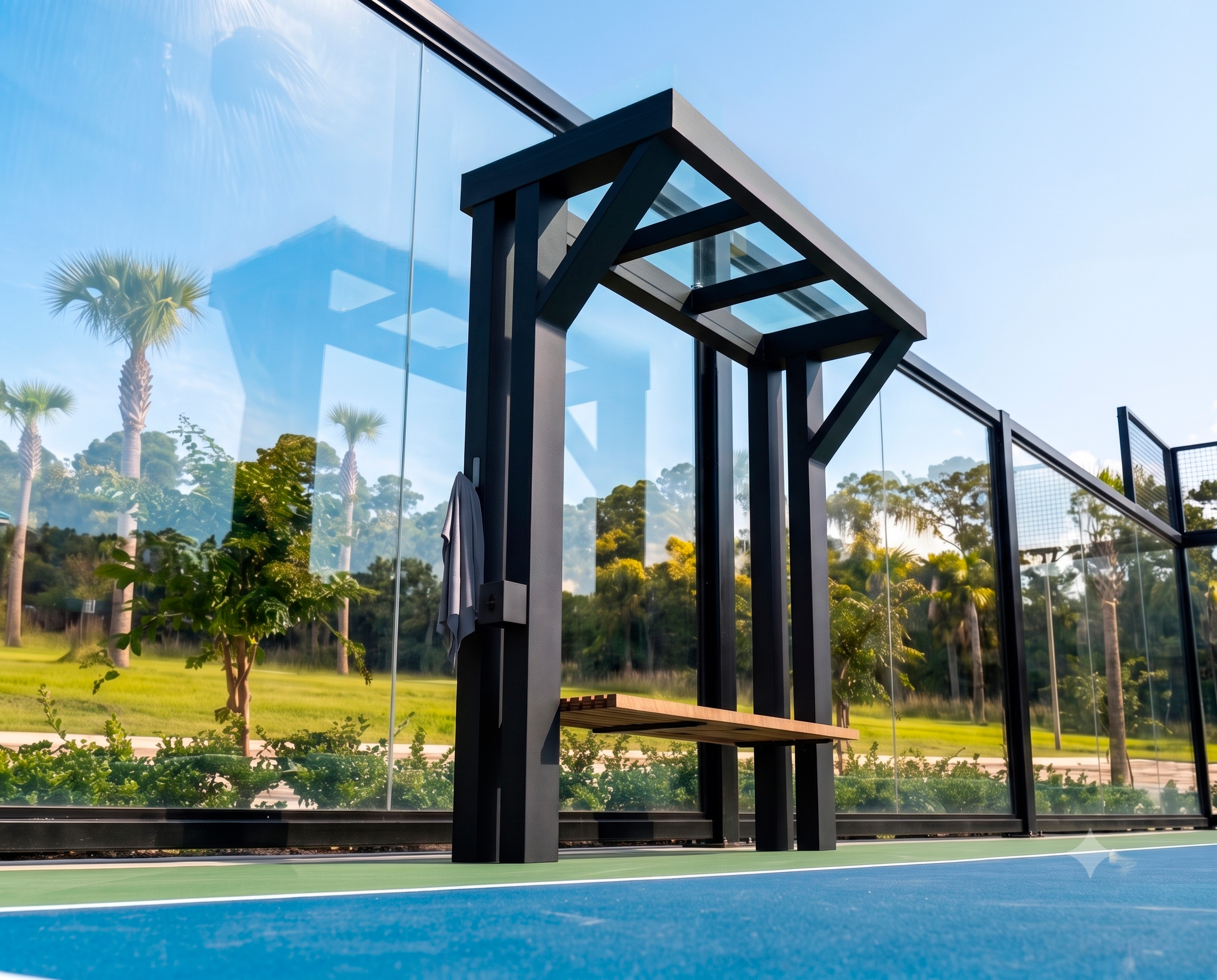
Post-mounted rails and hooks for racquets, towels and bags. Small detail, and the one players notice on day one.
Base skirts
A finished skirt conceals the anchorage at the post base, which is the difference between a structure that looks installed and one that looks bolted down.
Water-jet cut privacy screens
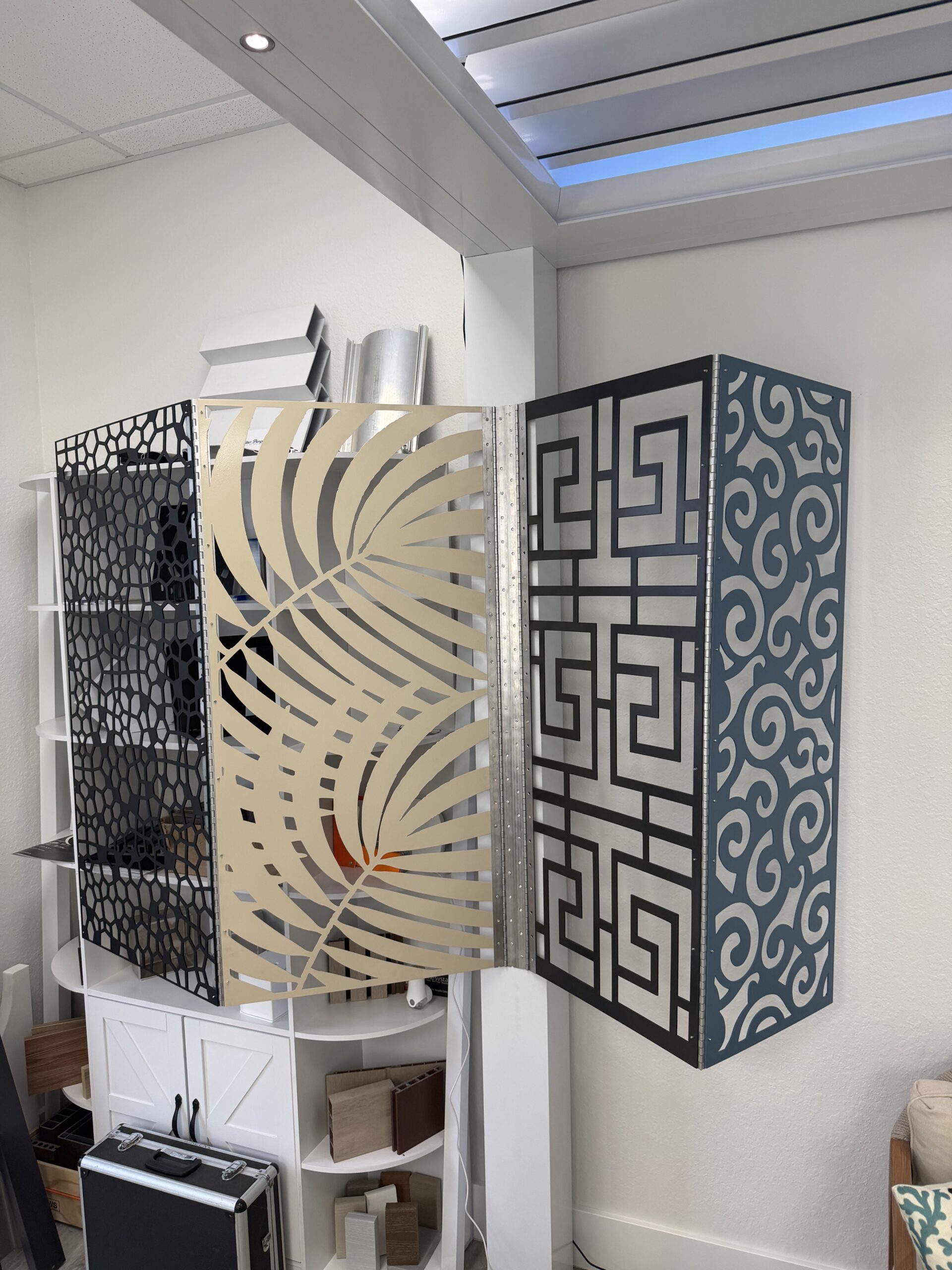
Custom aluminum panels cut to any pattern and finished in any color — wind blocks, backdrops, court dividers and branded partitions carrying a club crest or a sponsor mark.
Power, lighting and audio
USB and wireless charging pads, recessed puck or perimeter LED under the roof, and weatherproof speakers zoned per court pod. Jupiter Pergola holds a Florida electrical contractor licence alongside its general contractor licence, so the electrical is designed in rather than subcontracted as an afterthought.
Finishes
Four standard powder-coat colors — White, Black, Adobe and Bronze — plus custom RAL matching, which is what most club projects end up using. Clubs match the court enclosure steel, the clubhouse palette or a brand color. Two-tone splits between frame and louver are available, as is logo badging for a club crest.
Where they go
The series was drawn for racquet sports and the footprint suits anywhere players sit between points.
- Tennis, padel and pickleball courts, indoor and outdoor
- Country clubs, racquet clubs and golf club racquet facilities
- Resorts, hotels and residential communities
- Municipal parks and public court complexes
- Schools, universities and training academies
- Private residential courts
How the product gets developed
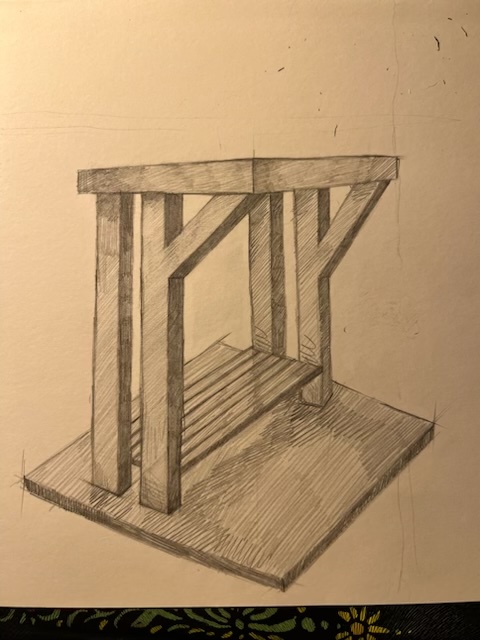
Every component is developed in house: hand sketches, 3D-printed scale prototypes on our own printers, parametric CAD, full shop-drawing sets, sealed engineering, then fabrication in our Jupiter, Florida shop. One shop is accountable from the drawing to the pallet, which is the part that matters when something needs to change mid-project.
Freight and installation
Shop-fabricated complete and palletized, with no part over 48 inches wide, so it moves on standard freight anywhere in the country without special handling. Double-sided models ship as two wings and splice on the structure. Field assembly is bolted throughout — no welding, no specialist trade. A court crew already on site can set them alongside the court package.
Sport court bench FAQ
What are the benches actually made of?
6063-T6 aluminum frame with 304 stainless hardware and an AAMA 2604 powder coat. Seats are composite slat on bolted cleats. There is no fabric and no steel anywhere in the assembly, which is why there is nothing to rust and nothing to re-canvas.
How long does a canvas or polyester court bench actually last?
Standard budget polyester typically gives one to two seasons outdoors before fading, tearing or mildewing, and then the facility is quoted to re-canvas it. That recurring cost is the main reason clubs move to an aluminum structure.
Do you provide sealed engineering for our wind zone?
Yes. Engineering is sealed by an engineer of record for the destination ZIP rather than supplied as a generic letter, with a footing schedule matched to the site’s wind zone and anchorage detailed for either embedded or surface mount.
Can we get shop drawings for a submittal package?
Yes. Every model has a full shop-drawing set covering plans, elevations, connection details and anchorage options, which is what most specifiers need to put the product into a drawing set or a submittal.
Is the roof waterproof?
No, and we would rather say so plainly. A fixed-louver roof sheds sun and the large majority of rain, and the butterfly model routes what it catches through a concealed gutter in the posts so it does not drip onto either court. It is not a sealed assembly. If a project needs a genuinely dry space, tell us at design stage and we will specify for that instead.
Can the bench attach to the court enclosure instead of standing free?
Yes, and it is often the better engineering answer. Host-attaching to the court or fence structure lets the host carry wind load, which improves the calculations and simplifies the anchorage. Frames also extend to 10 feet to sit flush with typical court-enclosure framing.
Will it match our court color?
Four standard powder-coat colors are stocked, and custom RAL matching is available for court enclosure steel, a clubhouse palette or a brand color. Two-tone frame and louver splits and club logo badging are both options.
Who installs it, and can our own crew do it?
Field assembly is bolted throughout with no welding, so a court contractor’s own crew can set it alongside the court package. Within Florida, our licensed teams can install it directly.
Do you sell direct, or through a builder?
Specify the product and we will connect you with a court builder or an authorized dealer to carry the project. If you are a court contractor or outdoor living dealer yourself, there is a wholesale program — ask and we will send the dealer terms.
What does it cost?
Pricing depends on model, roof type, finish, options and the destination the engineering is sealed for, so we quote per project rather than publishing a figure that would be wrong for most of them. Send the court count and a ZIP code and you will get real numbers back.
Spec it into your next court build
Tell us the facility, the court count and the location, and we will send model drawings, finish options and an engineering path — and where it helps, a rendering of the configuration on your own site. Architects, engineers, club managers and owners are all welcome to come to us direct; we will bring in the builder or dealer when it is time to price and install.